

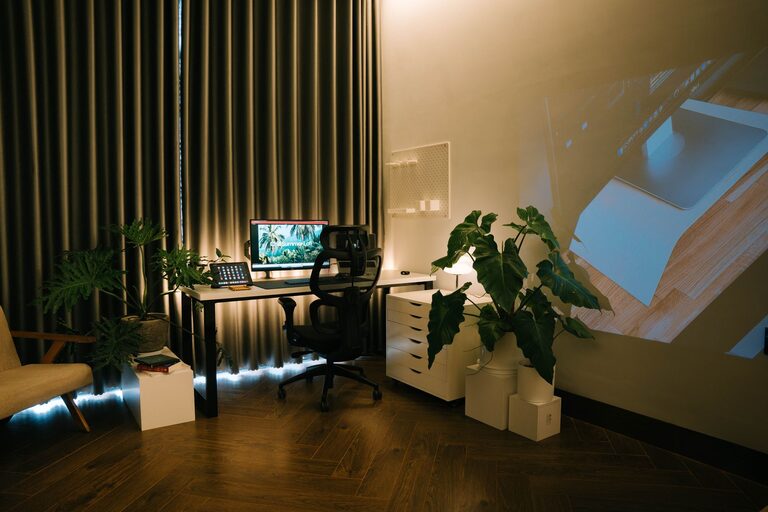
Creating a relaxing home workspace is essential for anyone who spends significant time working from home. A well-designed space can improve focus, reduce stress, and make your workday more enjoyable. Whether you have a dedicated room or just a small corner, this guide will help you transform your home workspace into a soothing and productive environment.
Why a Relaxing Workspace Matters
When your workspace feels comfortable and inviting, it can positively affect your mood and efficiency. Stressful or cluttered work areas often lead to distractions, fatigue, and even burnout. By setting up a space that promotes calmness, you create a better atmosphere for concentration and creativity.
Choosing the Right Location
Find a Quiet Spot
Select a location in your home where you can minimize noise and interruptions. If possible, choose a room with a door, so you can close off distractions during work hours.
Consider Natural Light
Natural light can improve your mood and energy levels. Position your desk near a window to enjoy daylight, but avoid glare on your computer screen by adjusting blinds or curtains.
Assess Space and Comfort
Ensure your workspace has enough room for your equipment and allows you to move comfortably. Even small spaces can become effective work zones with the right setup.
Essential Elements of a Relaxing Workspace
Ergonomic Furniture
Investing in an ergonomic chair and desk helps prevent physical strain. Your chair should support your lower back, and your desk should allow your arms to rest comfortably at a 90-degree angle.
Declutter Regularly
A clean workspace reduces distractions and helps maintain mental clarity. Use organizers like trays, drawers, or shelves to keep items tidy and within reach.
Personal Touches
Add a few personal items such as photos, plants, or artwork to make the space feel welcoming without overwhelming it.
Decorating Tips for a Calming Ambiance
Choose Soothing Colors
Soft, neutral tones like light blues, greens, or beige tend to create a peaceful atmosphere. Avoid overly bright or intense colors which may be distracting.
Incorporate Natural Elements
Plants not only enhance aesthetics but also improve air quality and add a sense of calm. Choose low-maintenance plants like succulents or pothos if you’re new to plant care.
Use Soft Lighting
Instead of harsh overhead lights, use desk lamps or floor lamps with warm bulbs. Adjustable lighting options allow you to set the mood according to the time of day.
Organizing Your Workspace for Efficiency
Prioritize Essential Tools
Keep frequently used items like pens, notebooks, or chargers close by. Store less-used items elsewhere to avoid clutter.
Utilize Vertical Space
Shelves or wall organizers help keep your desk surface clear while providing storage for books, files, or décor.
Develop a Cleaning Routine
Set aside a few minutes at the end of each day to tidy your workspace. This habit keeps your area inviting and ready for the next work session.
Creating Healthy Work Habits
Set Boundaries
Define work hours and avoid working outside those times to prevent burnout. If sharing a space, communicate your schedule to others.
Take Breaks
Regular breaks help maintain focus and reduce fatigue. Use techniques like the Pomodoro method—working for 25 minutes, then taking a 5-minute break.
Incorporate Movement
Stretch or walk around during breaks to boost circulation and refresh your mind.
Technology Tips for a Smooth Workflow
Manage Cables
Use cable organizers or clips to keep cords untangled, reducing visual clutter.
Optimize Screen Setup
Position your monitor at eye level to avoid neck strain. Adjust brightness and contrast to reduce eye fatigue.
Minimize Notifications
Turn off non-essential alerts to maintain focus during work periods.
Final Thoughts
Creating a relaxing home workspace is about balancing comfort, functionality, and personal style. Small changes can make a big difference in how you feel and perform during your workday. By choosing the right location, organizing thoughtfully, and adding calming elements, you’ll set the stage for productive and stress-free work sessions at home. Remember, your workspace should work for you—not against you!