

Planning meals from pantry staples is a great way to simplify your cooking routine, save money, and reduce food waste. Whether you’ve stocked up on basics for busy days or want to create meals without a last-minute grocery run, knowing how to use pantry items effectively can be a game changer.
In this post, you’ll find practical advice on organizing your pantry, understanding staple ingredients, and meal ideas that make the most of what you already have.
Why Plan Meals from Pantry Staples?
Using pantry staples helps you:
– Save time by minimizing trips to the grocery store
– Reduce food waste by using what you already have
– Keep your meals budget-friendly
– Create delicious dishes with minimal effort
Having a well-stocked pantry means you’re always prepared for unexpected busy days or last-minute guests.
Step 1: Organize Your Pantry
Before planning meals, it’s important to organize your pantry. This helps you see what you have and avoid buying duplicates.
Tips for Organizing
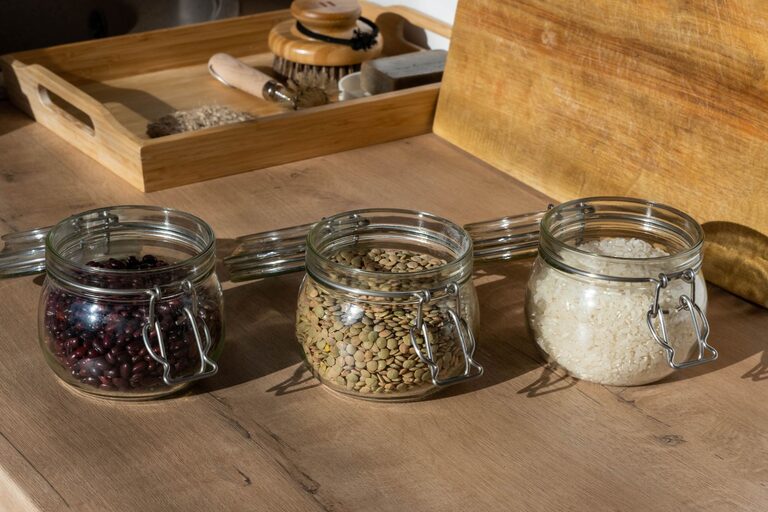
– Use clear containers for dry goods like rice, pasta, and flour.
– Label jars and cans with expiration dates.
– Group similar items together (e.g., baking supplies, canned vegetables, grains).
– Keep frequently used items at eye level or in easy-to-reach spots.
– Remove expired or stale products regularly.
A tidy pantry invites creativity and makes meal planning much easier.
Step 2: Know Your Pantry Staples
Here’s a list of common pantry staples that form the base for countless recipes:
Dry Goods
– Rice (white, brown, basmati)
– Pasta (spaghetti, penne, macaroni)
– Lentils and beans (canned or dry)
– Flour (all-purpose, whole wheat)
– Sugar (white, brown)
– Rolled oats
– Baking powder and baking soda
Canned and Jarred Goods
– Tomatoes (diced, crushed, paste)
– Broth or stock (chicken, vegetable, beef)
– Coconut milk
– Canned tuna or salmon
– Canned vegetables (corn, green beans)
– Peanut butter or other nut butters
Spices and Condiments
– Salt and pepper
– Olive oil and vegetable oil
– Vinegars (white, apple cider, balsamic)
– Soy sauce
– Dried herbs (oregano, basil, thyme)
– Chili flakes or powder
Frozen Staples
– Frozen vegetables
– Frozen fruits
– Frozen meats or seafood (optional)
Understanding these ingredients allows you to combine them easily for balanced meals.
Step 3: Plan Meals Using Pantry Staples
Here are some meal ideas categorized by type, all using pantry staples and minimal fresh ingredients.
Breakfast Ideas
– Overnight oats: Mix rolled oats with milk or yogurt, add canned fruit or frozen berries, and a drizzle of honey.
– Pancakes: Use flour, baking powder, sugar, and milk from your pantry. Top with peanut butter or canned fruit.
– Smoothie: Blend frozen fruit with peanut butter and milk or juice.
Lunch and Dinner Ideas
– Pasta with tomato sauce: Cook pasta and toss with canned diced tomatoes, olive oil, garlic powder, and dried herbs.
– Rice and beans: Combine cooked rice with canned beans, spices like cumin and chili powder, and canned corn for a filling dish.
– Lentil soup: Simmer lentils with canned tomatoes, broth, and dried herbs for a comforting meal.
– Stir-fry: Use frozen or canned vegetables with soy sauce and oil, served over rice or noodles.
– Tuna salad: Mix canned tuna with mayo or olive oil, add canned corn and some vinegar for a quick salad.
Snacks and Sides
– Roasted chickpeas: Season and bake canned chickpeas for a crunchy snack.
– Popcorn: A pantry classic, perfect for movie nights.
– Rice cakes with nut butter or canned fruit jam.
Step 4: Build a Flexible Meal Plan
When planning your week, start with what you want to eat and match recipes to the staples you have. Here’s an example:
Monday: Pasta with tomato sauce and side salad
Tuesday: Lentil soup with bread
Wednesday: Rice and beans bowl with canned corn and salsa
Thursday: Tuna salad on rice cakes
Friday: Stir-fried vegetables over noodles
Leave room for fresh produce if available, but know you can rely on pantry staples anytime.
Helpful Tips to Maximize Your Pantry
– Mix and match: Don’t hesitate to swap ingredients based on what’s in your pantry.
– Batch cooking: Cook grains and beans in larger amounts to save time.
– Keep a running list: Write down staples you’re running low on so you can restock strategically.
– Experiment with spices: Small amounts of different spices can transform simple pantry items.
– Use pantry challenges: Challenge yourself to create meals only using pantry items once a week.
Final Thoughts
Planning meals from pantry staples is about being resourceful, organized, and creative. With a well-stocked pantry and a bit of planning, you can enjoy delicious and nutritious meals any day of the week without the stress of last-minute shopping.
Start by organizing your pantry, taking stock of your staples, and trying out simple recipes. As you get comfortable, you’ll find new combinations and flavors to keep your meals interesting and satisfying.
Happy cooking!